Tiger Forest: A Sweet Handwritten Display Font for Editorial Design
I was redesigning a digital wedding guide last week when I realized my layout felt too rigid. The content was beautiful—soft pastel imagery, elegant photography, and heartfelt advice—but the typography lacked warmth. I needed something that felt personal yet professional, a typeface that could bridge the gap between formal elegance and approachable charm. That is when I discovered Tiger Forest, a sweet and friendly handwritten display font that instantly transformed the mood of the entire project.
This discovery wasn't just about finding a new decorative element; it was about solving a specific editorial challenge. In modern publishing, whether you are creating a lifestyle blog header, an ebook cover, or a printable planner, the right script handwritten typeface can make all the difference. It sets the tone before the reader even processes the first sentence. After testing Tiger Forest across various layouts, from newsletter graphics to course PDFs, I found it to be an exceptional tool for designers seeking to inject personality without sacrificing readability.
Tiger Forest for Wedding Invitations and Elegant Branding
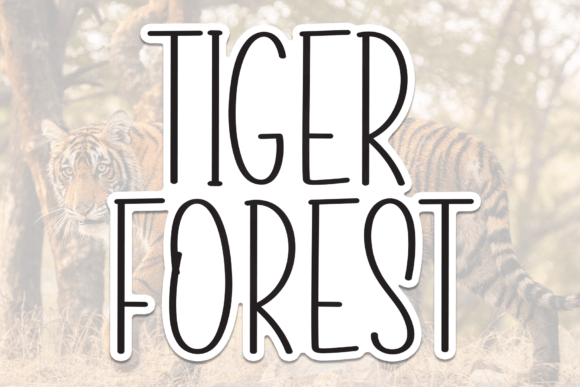
As described in its product details, Tiger Forest is a sweet and friendly handwritten display font. Cute and fun, this font is ideal for writing wedding invitations, cards, or any other design that might need a fun touch. When I applied it to the headers of my wedding guide, the immediate effect was one of celebration and intimacy. Unlike many script fonts that become illegible at smaller sizes or feel overly ornate, Tiger Forest maintains a clean, open structure that invites the eye to linger.
For bloggers and publishers working in the wedding niche, branding consistency is crucial. Using a cohesive fonts family helps establish trust and aesthetic authority. Tiger Forest works beautifully as a primary display font for titles because its handwritten nature feels authentic rather than manufactured. It suggests that the content has been curated by a human with care. Whether you are designing save-the-date cards, ceremony programs, or a digital brochure for a bridal boutique, this font adds a layer of sophistication that feels both modern and timeless. Its "cute" factor does not detract from professionalism; instead, it softens the visual experience, making high-stakes events feel more accessible and joyful.
Tiger Forest for Lifestyle Blog Headers and Social Media Graphics
Beyond weddings, the versatility of this typeface extends into the broader world of digital content creation. As a blogger, I frequently update my site’s visual identity to keep readers engaged. I tested Tiger Forest on a series of social media graphics for a lifestyle brand, using it for pull quotes and section headings. The result was a striking contrast against minimalist backgrounds. Because it is a display font, it commands attention without overwhelming the supporting text.
When designing for mobile devices, where screen space is limited, every pixel counts. Tiger Forest’s balanced proportions ensure that headlines remain legible even on smaller screens. This is particularly important for Script Handwritten styles, which often suffer from poor rendering on low-resolution displays. By using Tiger Forest for key messages, such as weekly tips or featured articles, creators can boost click-through rates by making their content stand out in crowded feeds. It pairs exceptionally well with clean sans serif fonts for body copy, creating a hierarchy that guides the reader’s eye naturally through the post. This combination allows for a dynamic layout that feels fresh and engaging, encouraging users to spend more time on the page.
Tiger Forest for Printable Planners and Educational Worksheets
One of the most surprising applications I found for Tiger Forest was in educational and organizational materials. I used it to design a set of printable planners and coaching worksheets for a client in the wellness industry. The goal was to make these functional tools feel less like administrative chores and more like delightful rituals. The friendly, rounded strokes of the font softened the clinical feel often associated with planning documents.
In this context, Tiger Forest served as an excellent accent font. While it is not recommended for long-form body text due to its decorative nature, it shines in chapter openers, task lists, and motivational affirmations. The "fun touch" mentioned in its description translates perfectly here, turning a standard to-do list into an inviting checklist. For creators selling digital products on platforms like Etsy or Gumroad, having a unique and appealing font in your mockups can significantly enhance perceived value. It signals that the product is crafted with attention to detail and aesthetic sensibility. When combined with a reliable serif font for instructions, Tiger Forest provides the emotional hook that drives downloads and positive reviews.
Practical Considerations for Commercial Use and Pairing
Before integrating Tiger Forest into any commercial project, it is essential to review the licensing terms. As a premium fonts asset, understanding the scope of use—whether for print, web, or merchandise—is critical for legal compliance. Additionally, checking for included styles, alternates, and ligatures can expand your creative possibilities. Some versions of this typeface may offer swashes or alternative characters that add extra flair to specific words, allowing for greater customization in logo design or packaging design.
Effective font pairing is another key consideration. Tiger Forest should generally be reserved for short texts such as titles, subtitles, and decorative accents. For body copy, opt for a highly readable serif font or a neutral sans serif font. This contrast ensures that while the design captures attention, the information remains easy to digest. For example, pairing Tiger Forest with a classic Georgia or Garamond creates a harmonious blend of whimsy and tradition, suitable for editorial features or magazine covers. Conversely, pairing it with a geometric sans serif like Helvetica or Montserrat yields a more contemporary, youthful vibe, perfect for tech blogs or startup newsletters.
Ultimately, choosing the right typography is about enhancing the reader’s experience. Tiger Forest succeeds because it balances charm with clarity. It is not just a pretty face; it is a functional design tool that supports visual hierarchy and reinforces brand identity. Whether you are crafting a heartfelt wedding invitation, a vibrant blog header, or a practical workbook, this sweet and friendly handwritten display font offers the perfect touch of personality. By selecting thoughtful Script Handwritten options like Tiger Forest, designers can create content that resonates emotionally, fostering a deeper connection with their audience and elevating the overall quality of their publications.